Why Is Jollibee So Famous Worldwide?
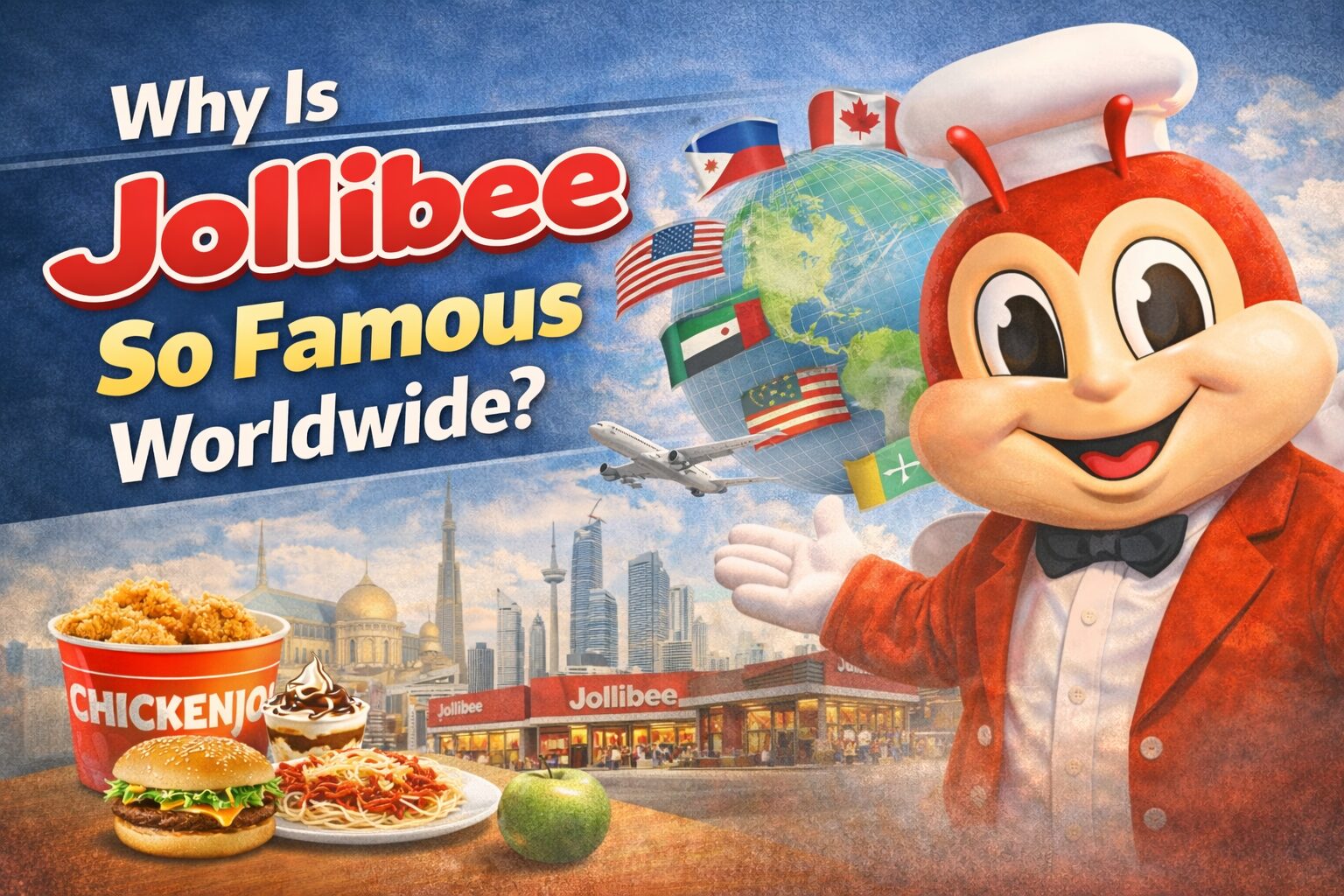
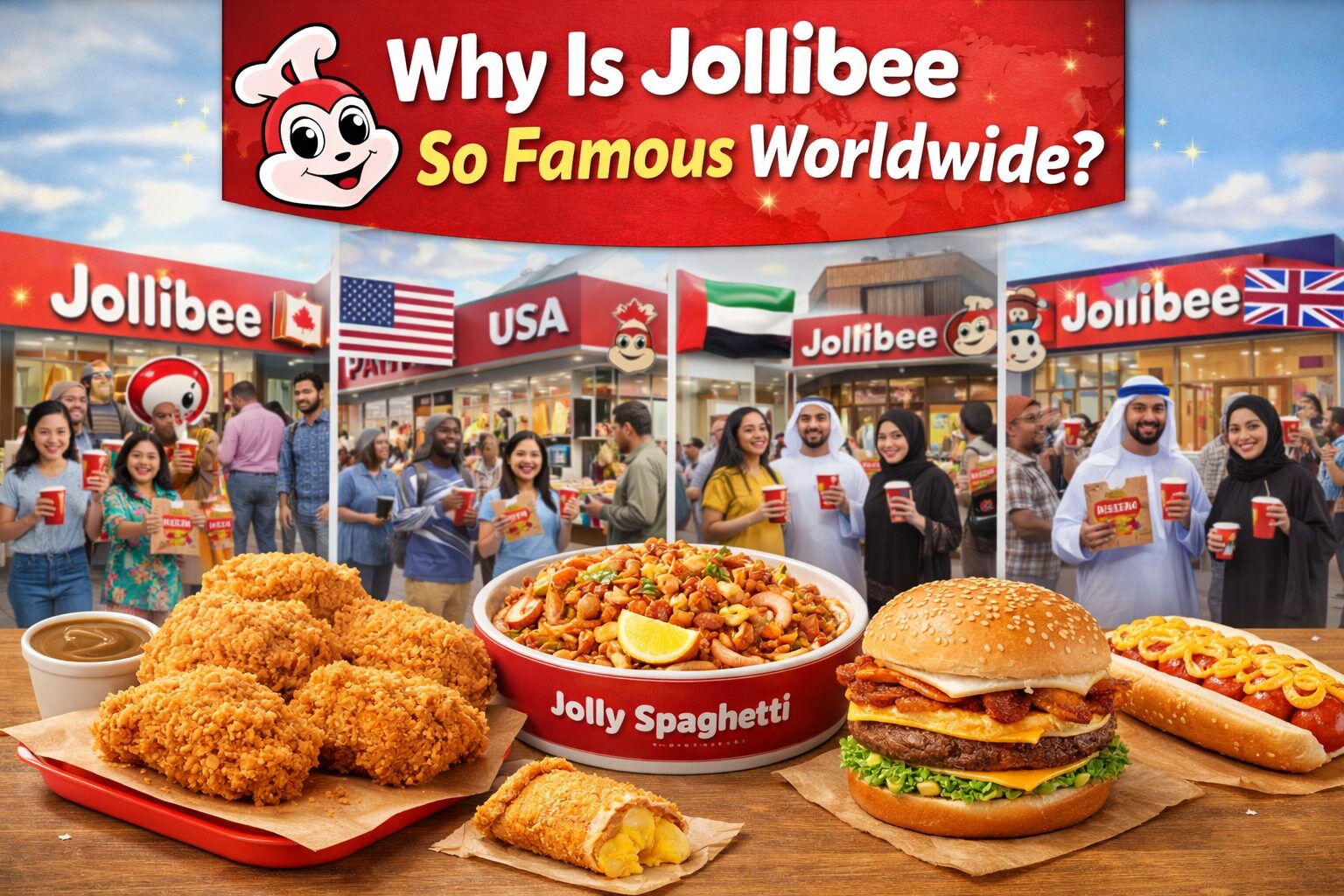
Walk into any Jollibee location on opening day in a new city—London, New York, Toronto, Dubai—and you’ll see something remarkable. Lines stretching around the block. People camping out overnight. Social media buzzing with excitement. All for a fast-food restaurant.
This isn’t just hunger. This is something deeper.
Jollibee has transformed from a small ice cream parlor in the Philippines into a global phenomenon with thousands of locations across multiple continents. But here’s the million-dollar question: what makes this Filipino fast-food chain so incredibly famous worldwide when giants like McDonald’s and KFC already dominate the market?
The answer isn’t simple, and it’s definitely not just about the food. It’s about identity, nostalgia, strategic brilliance, and understanding what people truly crave beyond just a meal. Let’s explore the fascinating reasons behind Jollibee’s worldwide fame.
The Taste That Feels Like Home
Let’s start with the obvious: Jollibee’s food tastes different. Not just good—different in a way that resonates deeply with Filipino palates and increasingly with international customers too.
Flavors Designed for Filipino Taste Buds
Filipino cuisine has distinct characteristics. It’s sweeter than most Asian cuisines, influenced by centuries of Spanish colonization, American occupation, and indigenous traditions. Filipinos grew up with flavors that balanced sweet, savory, and umami in unique combinations.
Jollibee understood this from day one.
Take Jolly Spaghetti, for example. To Western palates, sweet spaghetti sauce might seem strange. But to Filipinos, it tastes like childhood birthday parties, like Mom’s cooking, like celebrations and comfort. The hot dog slices, the ground meat, the cheese—it’s familiar, nostalgic, and emotionally satisfying.
Chickenjoy isn’t just fried chicken. The seasoning blend, the crispiness, the slight sweetness in the breading—it’s calibrated specifically for what Filipinos consider the perfect fried chicken. Many Filipinos genuinely believe Chickenjoy beats KFC, and they’re not shy about saying it.
The burgers, breakfast meals, even the desserts—everything is tweaked to match local preferences while maintaining fast-food convenience and consistency.
Universal Appeal Beyond Filipino Customers
Here’s where it gets interesting. While Jollibee was designed for Filipinos, non-Filipinos are increasingly falling in love with it too.
In countries like Brunei, a staggering percentage of customers aren’t Filipino at all. They’re locals who discovered Jollibee and genuinely prefer it to other options. The slightly sweet flavor profile, the crispy textures, the generous portions—these appeal to broader Asian tastes and even to adventurous Western eaters looking for something different.
Food critics and influencers trying Jollibee for the first time often express surprise at how much they enjoy it. The food isn’t trying to be “authentic American” fast food. It’s confidently Filipino, and that authenticity is refreshing.
The Power of the Filipino Diaspora
This is perhaps the most significant factor in Jollibee’s global expansion. There are approximately 10 to 12 million Filipinos living and working abroad—one of the largest diaspora populations in the world.
Homesickness Translated Into Business Opportunity
Filipinos working in hospitals in California, construction sites in the Middle East, cruise ships sailing international waters, offices in London—they carry their culture with them. And food is one of the strongest cultural connectors.
For overseas Filipino workers (OFWs), eating at Jollibee isn’t just grabbing lunch. It’s experiencing a piece of home. It’s tasting the flavors of childhood, hearing Tagalog spoken by staff, seeing the familiar red and yellow colors that represent their homeland.
This emotional connection creates incredibly loyal customers. Filipinos will drive hours to reach the nearest Jollibee. They’ll bring their non-Filipino friends. They’ll celebrate birthdays and special occasions there. They’ll post about it on social media, generating free publicity.
Strategic Location Choices
Jollibee’s international expansion strategy is brilliant in its simplicity: go where Filipinos are.
The first international stores opened in places with large Filipino populations—Taiwan, Brunei, Indonesia, Hong Kong. Then came the Middle East, where hundreds of thousands of Filipino workers needed a taste of home. Then North America, particularly California, which has one of the largest Filipino communities outside the Philippines.
This approach minimizes risk. You’re not trying to convince strangers to try unknown food. You’re serving a community that already loves your brand and will become instant ambassadors, bringing curious friends and coworkers.
Once a location proves successful with the Filipino community, word spreads. Local residents get curious. Lines form. Media coverage follows. Suddenly, Jollibee isn’t just “that Filipino place”—it’s a destination restaurant that everyone wants to try.
Masterful Marketing and Branding
Jollibee’s marketing deserves serious credit for the brand’s worldwide recognition.
The Mascot That Captures Hearts
That cheerful red bee in a blazer isn’t just cute—it’s strategic brilliance.
Children love mascots. The Jollibee character is friendly, approachable, and fun. Kids beg their parents for Jollibee birthday parties. They want photos with the mascot. They collect the toys from kids’ meals.
This creates lifelong customers. Children who grew up celebrating birthdays at Jollibee become adults who bring their own children, continuing the cycle.
But the mascot also represents something deeper: Filipino joy, warmth, and optimism. The name itself—combining “jolly” and “bee”—suggests happiness, hard work, and community. It’s branding that resonates emotionally, not just visually.
Emotional Storytelling in Advertising
Jollibee’s commercials in the Philippines are legendary. They don’t just sell burgers—they tell stories that make you cry.
Seriously. Jollibee ads often feature touching narratives about family, love, sacrifice, and coming home. They tap into Filipino values of family closeness, respect for parents, and the importance of shared meals.
These aren’t just advertisements. They’re short films that become cultural moments. People share them, discuss them, remember them. And when you associate a brand with deep emotions, you create loyalty that transcends product quality.
Even internationally, Jollibee maintains this emotional approach. Opening announcements feel like homecomings. Grand opening events become community celebrations. The brand understands that they’re not just feeding people—they’re creating experiences and memories.
Social Media Savvy
Jollibee has mastered social media in ways many larger corporations haven’t.
When a new location opens, especially in countries where Jollibee is still rare, the buzz on social media is immense. Influencers trying it for the first time, Filipinos celebrating its arrival, curious locals sharing their experiences—all of this generates organic publicity worth millions in traditional advertising.
Jollibee actively engages with this content, reposting customer photos, responding to comments, creating shareable content. They understand that in the digital age, customers are their best marketers.
The brand also embraces memes and internet culture. They’re not stiff or corporate in their social media presence. They’re playful, relatable, and authentic—which resonates particularly well with younger audiences.
Quality Consistency Across Borders
Here’s something that often goes unnoticed: Jollibee maintains remarkable consistency in food quality across thousands of locations worldwide.
Standardized Recipes and Training
Whether you’re eating Chickenjoy in Manila, Dubai, or New York, it should taste essentially the same. This consistency is harder to achieve than it sounds, especially when sourcing ingredients locally and training diverse staff across different countries.
Jollibee invests heavily in staff training and quality control. The proprietary recipes are closely guarded. Supply chain management ensures that key ingredients meet specific standards regardless of location.
This reliability matters enormously. When Filipino customers travel, they know exactly what they’re getting at any Jollibee. That trust builds brand loyalty and encourages repeat visits.
Adapting Without Losing Identity
Interestingly, while Jollibee maintains core menu consistency, they also adapt to local markets when appropriate.
In China, you’ll find menu items incorporating local flavors. In the Middle East, everything is halal-certified. In the United States, portion sizes and certain offerings reflect American expectations.
But the core identity remains Filipino. Jollibee never tries to become just another generic burger chain. The sweet spaghetti stays. The Chickenjoy recipe is unchanged. The Filipino heart of the brand remains intact while smart adaptations help attract local customers.
Competing Against Giants and Winning
Perhaps nothing demonstrates Jollibee’s strength better than this: in the Philippines, Jollibee dominates McDonald’s.
Beating McDonald’s on Their Own Turf
When McDonald’s entered the Philippine market in 1981, many predicted Jollibee’s demise. How could a local chain compete with a global juggernaut with unlimited resources?
Not only did Jollibee survive—it thrived. Today, Jollibee controls approximately 60% of the Philippine fast-food market, while McDonald’s sits at around half that.
How? By staying true to Filipino tastes rather than trying to out-American the Americans. By being faster in innovation and expansion. By maintaining better value for money. By being the home team that Filipinos could be proud of.
This victory wasn’t just commercial. It was cultural. Jollibee proved that a Filipino brand could compete with and defeat the biggest names in global business. That narrative resonates powerfully both in the Philippines and among the diaspora.
Smart Acquisitions and Expansion
Jollibee hasn’t just grown its main brand. The company has strategically acquired other restaurant chains to diversify and expand market reach.
Purchasing chains like Chowking, Red Ribbon, Mang Inasal, Greenwich in the Philippines gave them dominance across multiple food categories. Internationally, acquiring Smashburger in the United States, The Coffee Bean & Tea Leaf, and stakes in other brands transformed Jollibee Foods Corporation into a genuine global restaurant powerhouse.
These acquisitions bring expertise, market presence, and infrastructure that support further expansion. They’re not just selling Chickenjoy anymore—they’re building a food empire.
Cultural Pride and National Identity
For Filipinos, Jollibee represents something beyond food. It’s a source of national pride.
A Filipino Brand Conquering the World
The Philippines has historically been colonized, influenced, and economically dominated by larger powers. To see a homegrown Filipino brand not just surviving but thriving internationally is deeply meaningful.
When Jollibee opens in New York City, Filipinos feel pride. When non-Filipinos line up for Chickenjoy, it validates Filipino culture and tastes on a global stage. When food critics praise Jollibee, it’s not just about the restaurant—it’s about Filipino identity being recognized and respected.
This emotional investment turns customers into passionate advocates. They don’t just eat at Jollibee—they defend it, promote it, celebrate it. That level of emotional engagement is priceless from a marketing perspective.
Bringing Filipino Culture to the World
Every Jollibee location becomes a small cultural embassy. Non-Filipino customers entering for the first time experience Filipino hospitality, taste Filipino-inspired flavors, and glimpse Filipino culture.
This soft cultural diplomacy is powerful. It introduces people to the Philippines in a accessible, enjoyable way. Many people’s first exposure to anything Filipino is through Jollibee, and that positive first impression can spark curiosity about the broader culture.
The “Experience” Factor
Modern consumers, especially younger generations, don’t just buy products—they buy experiences. Jollibee understands this completely.
More Than Just Fast Food
Eating at Jollibee feels different from eating at McDonald’s or Burger King. There’s an energy, a warmth, a sense of community that goes beyond the transactional.
Staff are generally friendly and attentive. The restaurants are clean and welcoming. Birthday parties are elaborate celebrations with entertainment and decorations. The entire atmosphere feels less corporate and more familial.
This experience creates memories. And memories create loyalty.
Grand Openings as Cultural Events
When Jollibee opens in a new city, it’s not just a restaurant launch—it’s an event.
The company invites media, celebrates with the Filipino community, creates spectacle. People camp overnight not just for food but to be part of history, to say “I was there when Jollibee came to our city.”
This approach generates massive publicity. News coverage, social media buzz, word-of-mouth—all amplify awareness far beyond what traditional advertising could achieve.
The Perfect Storm of Timing
Jollibee’s global expansion has coincided with several favorable trends.
Rising Interest in Asian Cuisine
Western palates are increasingly adventurous. Asian flavors—Korean, Japanese, Thai, Vietnamese—have gone mainstream. This cultural shift makes people more willing to try Filipino-influenced fast food.
Jollibee rides this wave perfectly. It’s exotic enough to be interesting but accessible enough to not be intimidating. It’s Asian fusion meets fast-food familiarity.
Social Media Amplification
Jollibee’s expansion happened during the rise of Instagram, TikTok, and YouTube food culture. Influencers and content creators love discovering unique food experiences and sharing them.
Every Chickenjoy unboxing video, every “trying Jollibee for the first time” reaction, every “is Jollibee better than McDonald’s?” debate video generates millions of views and introduces the brand to new audiences.
Without social media, Jollibee’s international growth would have been slower and more expensive. The digital age supercharged their expansion.
Globalization and Migration
The world is more connected than ever. People travel more, migrate more, and are exposed to more cultures. Filipino workers are everywhere, creating demand. Curious food lovers want to try everything.
Jollibee capitalized on this perfectly timed globalization trend, becoming one of the success stories of how regional brands can achieve worldwide recognition.
The Bottom Line: Fame Built on Authenticity
So why is Jollibee so famous worldwide? It’s not one reason—it’s all of them working together.
Delicious food specifically tailored to Filipino tastes that also appeals broadly. A massive, loyal diaspora community providing built-in customers and ambassadors. Brilliant marketing that tugs heartstrings and creates cultural moments. Consistent quality that builds trust. Smart expansion strategy that minimizes risk while maximizing impact. Cultural pride that transforms customers into passionate advocates.
But perhaps most importantly: authenticity.
Jollibee never tried to be McDonald’s. It never apologized for being Filipino. It confidently offered sweet spaghetti and proudly claimed its fried chicken was better than the competition. It stayed true to its identity while strategically adapting to new markets.
In a world of homogenized global brands, Jollibee’s distinctiveness is its greatest strength. It represents something real, something cultural, something meaningful beyond just convenience and calories.
That’s why people line up for hours. That’s why families celebrate there. That’s why it’s famous not despite being Filipino, but because it’s unapologetically, joyfully Filipino.
And that fame? It’s only growing. From humble beginnings in Quezon City to conquering the world one Chickenjoy at a time, Jollibee’s story is far from over. The smiling bee is just getting started.