The Story of Jollibee – How a Filipino Brand Conquered Fast Food

Jollibee is not just a restaurant — it is a piece of Philippine history. The story of how a small ice cream parlor in Cubao grew into one of the most recognized fast food brands in Asia is one of the most inspiring success stories in Filipino business history. Understanding the history of Jollibee gives you a much deeper appreciation for why this brand means so much to Filipinos everywhere.
The Humble Beginnings
Jollibee’s story began in 1975 when Tony Tan Caktiong and his family opened two Magnolia Ice Cream parlor franchises in Cubao, Quezon City. The ice cream shops were a success, but customers began asking for hot meals as well. Recognizing the opportunity, Tony decided to expand the menu to include sandwiches and other food items.
The response was overwhelming. Hot food quickly outsold ice cream, and the Tan family saw a much bigger opportunity. In 1978, the stores were transformed into proper fast food restaurants under the name Jollibee — a name chosen to evoke the image of a jolly, hardworking bee, symbolizing happiness and teamwork.
Taking on the Global Giants
When McDonald’s entered the Philippines in 1981, many observers predicted that Jollibee would not survive the competition. A homegrown Filipino brand going up against the most powerful fast food chain in the world seemed like a losing battle from the start.
But Jollibee had something McDonald’s did not — a deep understanding of Filipino taste preferences. While McDonald’s served its standard international menu, Jollibee developed dishes specifically tailored to what Filipinos loved: sweeter flavors, rice-based meals, and food that felt like home. Chickenjoy, Jolly Spaghetti, and Burger Steak were crafted to appeal directly to the Filipino palate.
The strategy worked brilliantly. Jollibee not only survived — it thrived. By the mid-1980s, Jollibee had already become more popular than McDonald’s in the Philippines, a feat that astonished the global business community.
National Expansion
Through the 1980s and 1990s, Jollibee expanded rapidly across the Philippines. New branches opened in cities and provinces across the country, bringing the beloved brand to Filipinos everywhere. The chain became a fixture of Filipino communities — the place where families celebrated birthdays, where friends gathered after school, and where Filipinos went to enjoy a taste of home.
Going Global
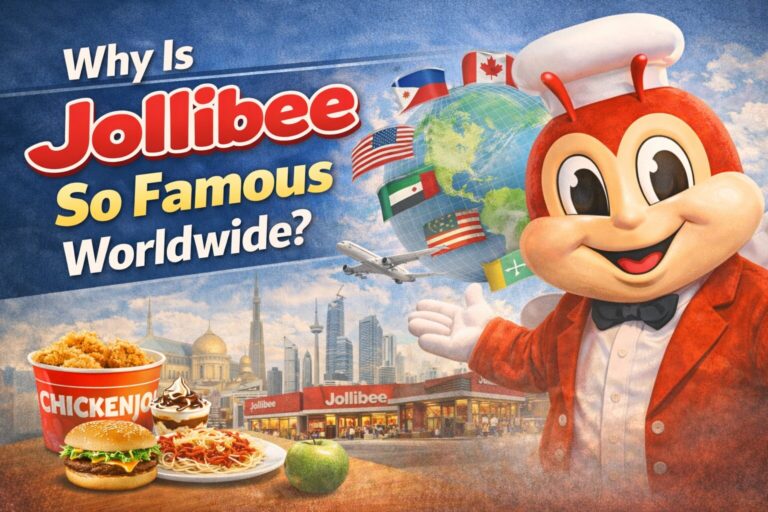
Jollibee began its international expansion in 1985 with a branch in the United States to serve the Filipino diaspora. Over the following decades, Jollibee expanded to dozens of countries including the United States, Canada, the Middle East, Hong Kong, Singapore, Vietnam, and many more.
For Filipinos living abroad, Jollibee branches became powerful symbols of home — places where OFWs and Filipino communities could gather, share familiar food, and feel connected to the Philippines no matter where in the world they were living.
Jollibee Foods Corporation Today
Today, Jollibee Foods Corporation is one of the largest and most profitable restaurant companies in Asia. The company operates not only Jollibee branches but also a portfolio of other food brands across various markets. With thousands of stores worldwide and a presence in numerous countries, Jollibee has grown far beyond what Tony Tan Caktiong could have imagined when he first opened those ice cream parlors in Cubao.
Yet despite its global scale, Jollibee remains deeply Filipino at its core — a brand that continues to serve the flavors and experiences that generations of Filipino families have grown up loving.
Why Jollibee Matters to Filipinos
Jollibee is more than a restaurant to most Filipinos. It represents the idea that a Filipino brand can compete with and beat the biggest companies in the world by staying true to local identity and values. It is a symbol of Filipino pride, resilience, and the power of understanding your own culture and people.
From the iconic mascot to the beloved menu items, Jollibee carries decades of memories and emotions for millions of Filipinos worldwide. That connection is something no amount of global expansion can ever diminish.