Jollibee Palabok Menu Prices in the Philippines 2026
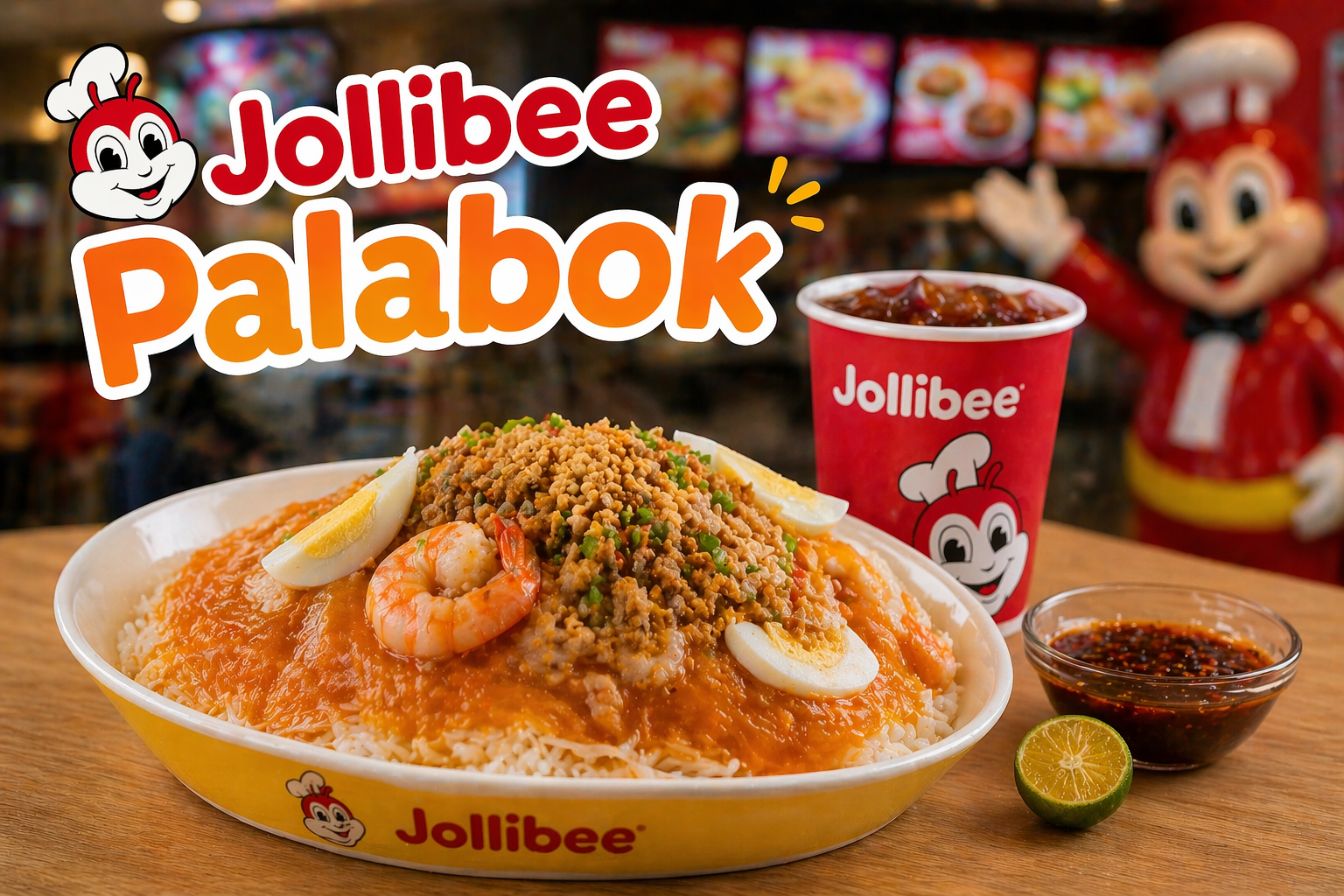
Looking for the complete Jollibee Palabok menu with the latest prices in the Philippines for 2026? You’ve come to the right place. This guide covers everything about Jollibee’s iconic Palabok Fiesta — prices, sizes, what makes it special, how it compares to other Filipino noodle dishes, and why it remains one of the most ordered and most authentic dishes on the entire Jollibee menu.
Jollibee Palabok Menu with Prices 2026
| Menu Item | Price | Calories | Best For |
| Palabok Fiesta Solo | ₱115 | 490 kcal | Solo dining |
| Palabok Fiesta with Drink | ₱148 | 560 kcal | Complete solo meal |
| Palabok Fiesta Family Pan | ₱270 | ~1,400 kcal total | Groups of 3–4 people |
What Is Jollibee Palabok Fiesta?
The Jollibee Palabok Fiesta is one of the most authentically Filipino dishes on any fast food menu in the Philippines. Palabok — also known as pancit palabok — is a beloved Filipino noodle dish that has been part of the country’s culinary tradition for centuries, served at fiestas, family gatherings, birthdays, and everyday meals across the archipelago.
Jollibee’s version stays remarkably true to the traditional recipe. It features thick, round rice noodles (bihon) as the base, topped with a rich, golden-orange shrimp-based sauce (the “palabok sauce”) that is savory, slightly thick, and packed with deep umami flavor from the shrimp stock. The dish is then finished with classic Filipino toppings: crispy chicharon (pork crackling) for crunch, a sliced boiled egg for richness, chopped green onions for freshness, and a squeeze of calamansi (Philippine lime) to brighten all the flavors.
What makes the Jollibee Palabok Fiesta remarkable in a fast food context is how closely it resembles a home-cooked or restaurant-quality palabok. Most fast food attempts at traditional Filipino dishes sacrifice authenticity for convenience — but Jollibee’s Palabok Fiesta delivers the real deal. The sauce has genuine depth of flavor, the noodles have the right texture, and the toppings are generously portioned. At ₱115 for a solo serving, it’s an exceptional value for a dish this complex and flavorful.
Breaking Down Every Component of Jollibee Palabok
Understanding what goes into a Jollibee Palabok Fiesta helps you appreciate why it tastes the way it does and how to eat it for maximum enjoyment:
- Bihon noodles — The thick rice noodles form the heart of the dish. They have a slightly chewy, satisfying texture that holds the palabok sauce beautifully without becoming mushy. Unlike wheat-based noodles, bihon is naturally gluten-light and has a neutral flavor that lets the sauce shine.
- Palabok sauce — The golden-orange shrimp-based sauce is what defines the dish. Made from shrimp stock, annatto (achuete) for color, and various aromatics, the sauce is savory, slightly thick, and full of natural seafood sweetness. This is the most complex component of the dish and Jollibee executes it consistently across all branches.
- Chicharon (pork crackling) — Crushed chicharon sprinkled over the top adds a crucial textural element — a satisfying crunch that contrasts with the soft noodles and thick sauce. As you eat, the chicharon gradually softens slightly from the sauce, creating a different but equally enjoyable texture.
- Boiled egg — A halved boiled egg adds richness and protein to the dish. The creamy yolk blends into the sauce when mixed, adding another layer of depth to the flavor profile.
- Green onions (sibuyas dahon) — The fresh, slightly sharp flavor of chopped green onions cuts through the richness of the sauce and chicharon, providing essential freshness that balances the dish.
- Calamansi — The small wedge of calamansi (Philippine lime) served on the side is not optional — it’s essential. A squeeze of calamansi over the palabok brightens all the flavors, adds a subtle citrus note that lifts the richness of the sauce, and is a classic Filipino technique for finishing noodle dishes. Don’t skip it!
How to Eat Jollibee Palabok for the Best Experience
Getting the most out of your Jollibee Palabok is all about technique. Here’s how experienced Palabok eaters approach the dish:
- Squeeze the calamansi first — Before anything else, squeeze the calamansi wedge evenly over the entire dish. This sets the flavor foundation for the whole meal and ensures every bite has that crucial citrus brightness.
- Mix everything together — Unlike some noodle dishes where the toppings are kept separate, Palabok is best when everything is mixed. Toss the noodles, sauce, chicharon, egg, and green onions together so every forkful gets a bit of everything.
- Eat it immediately while hot — Palabok is best when the sauce is warm and the chicharon is still crispy. Waiting too long causes the chicharon to fully soften and the noodles to clump slightly. Order it fresh and eat it right away.
- Pair with a light drink — The rich, savory sauce of Palabok calls for something refreshing alongside it. Pineapple Juice (₱45) or Iced Tea (₱45) are both excellent pairings — their natural sweetness complements the savory palabok sauce without competing with it.
Palabok Fiesta Solo vs Family Pan — Which Should You Order?
Jollibee offers Palabok Fiesta in two sizes — here’s how to decide between them:
- Palabok Fiesta Solo (₱115) — A generous individual serving at 490 calories, well-portioned for one adult as a main meal. The solo is the right choice for individual dining, quick lunches, or when Palabok is one of several items being shared at the table. At ₱115, it’s excellent value for the complexity and flavor delivered.
- Palabok Fiesta Family Pan (₱270) — A large sharing portion that comfortably serves 3–4 adults as a main dish, or more when paired with other items. At ₱270 for a family-size serving, the Family Pan works out to roughly ₱67–₱90 per person — significantly less than ordering individual servings. It’s the ideal choice for office lunches, family meals, or any group dining situation where Palabok is being featured as a shared dish.
The Family Pan is particularly popular during Filipino celebrations and gatherings. In Filipino culture, a large pan of Palabok on the table signals a proper feast — and at ₱270, the Jollibee Family Pan delivers that celebratory feel at a very accessible price point.
Jollibee Palabok vs Jolly Spaghetti — The Great Filipino Noodle Debate
Both Palabok and Jolly Spaghetti are beloved Filipino noodle dishes at Jollibee, and customers often find themselves choosing between the two. Here’s a comprehensive comparison:
- Noodle type: Palabok uses thick rice bihon noodles. Jolly Spaghetti uses wheat-based pasta noodles. Bihon is lighter and has a more delicate chew; spaghetti is heartier and more filling per serving.
- Sauce profile: Palabok sauce is savory, shrimp-based, and complex with umami depth. Jolly Spaghetti sauce is sweet, tomato-based, and loaded with ground beef and hotdog. Completely different flavor worlds.
- Toppings: Palabok has chicharon, boiled egg, green onions, and calamansi. Jolly Spaghetti has sliced hotdog and shredded cheese. Palabok is more complex and layered; Spaghetti is simpler and more straightforward.
- Price: Jolly Spaghetti Solo is ₱60 — significantly cheaper than Palabok Solo at ₱115. The price difference reflects the more premium ingredients and greater complexity of the Palabok.
- Cultural context: Palabok is the more traditionally Filipino dish — it’s a centerpiece of Filipino fiestas and celebrations. Jolly Spaghetti is Jollibee’s own Filipino adaptation of a Western dish. Both are culturally significant but in different ways.
- Best for: Choose Palabok when you want a more sophisticated, complex Filipino flavor experience. Choose Jolly Spaghetti when you want something sweet, comforting, and more budget-friendly.
Jollibee Palabok vs Other Restaurant Palabok
One of the most impressive things about Jollibee’s Palabok Fiesta is how it holds up against restaurant and home-cooked versions of the dish. Most fast food versions of traditional Filipino dishes are pale imitations — simpler sauces, fewer toppings, compromised flavors. Jollibee’s Palabok genuinely competes.
The shrimp-based sauce maintains real depth of flavor. The chicharon topping is genuinely crispy when fresh. The calamansi is always included. These are the details that separate a real Palabok from a fast food approximation — and Jollibee gets them right. Filipino food enthusiasts who are typically skeptical of fast food versions of traditional dishes consistently give the Jollibee Palabok Fiesta high marks for authenticity.
At ₱115 for a solo serving, the Jollibee Palabok is also significantly more affordable than restaurant versions, which typically range from ₱180–₱350 for a comparable serving. For the combination of quality, authenticity, convenience, and price, Jollibee’s Palabok Fiesta is genuinely hard to beat.
Palabok Fiesta Nutrition Information
A solo Palabok Fiesta contains approximately 490 calories — a well-balanced amount for a main meal. The nutritional breakdown reflects the dish’s composition:
- Carbohydrates: The rice bihon noodles provide the primary carbohydrate content — a good source of energy that’s lighter than wheat-based pasta.
- Protein: The shrimp-based sauce and boiled egg provide meaningful protein content. Shrimp is a lean protein source, making the Palabok sauce more nutritionally valuable than it might appear.
- Fat: The chicharon contributes fat and is the highest-calorie component. The sauce adds moderate fat from the shrimp stock base.
- Sodium: Palabok sauce is naturally higher in sodium due to the shrimp base and seasoning. If you’re monitoring sodium intake, pairing with water is the best drink choice to balance overall sodium consumption.
At 490 calories, the Palabok Fiesta Solo is one of the more calorie-efficient complete meals at Jollibee — lower than the Burger Steak (530 kcal), comparable to the Jolly Spaghetti (430 kcal for solo), and providing a more nutritionally diverse profile than most burger meals.
Best Pairings with Jollibee Palabok Fiesta
- Palabok + Pineapple Juice (₱45) — The tropical sweetness of the pineapple juice lifts the savory richness of the palabok sauce beautifully. One of the most complementary Jollibee drink-and-dish pairings.
- Palabok + Peach Mango Pie (₱65) — The sweet, warm pie dessert after the savory Palabok is a classic Filipino sweet-savory meal structure. Finish the noodles, then enjoy the pie while it’s still hot.
- Palabok + Shanghai (₱55 for 3 pcs) — Two traditional Filipino flavors that work in harmony. The crispy Shanghai lumpia adds textural variety and a complementary savory flavor alongside the noodles.
- Family Pan Palabok + Chickenjoy Bucket — The ultimate Filipino celebration spread. Palabok and Chickenjoy together at the center of the table is the most Filipino fast food combination possible — a combination that has graced countless birthday parties and family gatherings across the Philippines.
Tips for Ordering Jollibee Palabok
- Always eat it fresh — Palabok is best immediately after being served. The chicharon starts to soften and the noodles can clump if left too long. If you’re ordering for delivery, eat it as soon as it arrives.
- Ask for extra calamansi — The standard serving comes with one calamansi wedge. Ask for an extra one at the counter — it’s free at most branches, and Palabok genuinely benefits from a generous amount of calamansi juice.
- Family Pan for groups of 3+ — If you’re dining with 3 or more people and everyone wants Palabok, the Family Pan (₱270) is significantly more economical than ordering individual servings. It works out to ₱67–₱90 per person versus ₱115 for a solo.
- Palabok travels well for delivery — Unlike fries and fried chicken that lose quality during delivery, Palabok holds up reasonably well. The sauce keeps the noodles moist, and even slightly softened chicharon is still flavorful. It’s one of the better Jollibee items to order for home delivery.
- Order the Family Pan for Filipino celebrations — If you’re hosting a birthday party, office celebration, or family gathering and ordering from Jollibee, a Family Pan of Palabok alongside Chickenjoy buckets is the most authentically Filipino catering choice you can make.
Frequently Asked Questions
Q: Does Jollibee Palabok contain shellfish?
A: Yes. The Palabok sauce is shrimp-based and contains shellfish. Customers with shellfish allergies should avoid this dish. The Palabok sauce is one of the core components of the dish and cannot be omitted — those with shellfish allergies should choose an alternative like the Jolly Spaghetti or Burger Steak instead.
Q: Is Jollibee Palabok available all day?
A: Yes! The Palabok Fiesta Solo and Family Pan are available throughout the day at most Jollibee branches in the Philippines — not just at specific meal times. This makes it a flexible choice for lunch, merienda, or dinner.
Q: Can I order Jollibee Palabok for delivery?
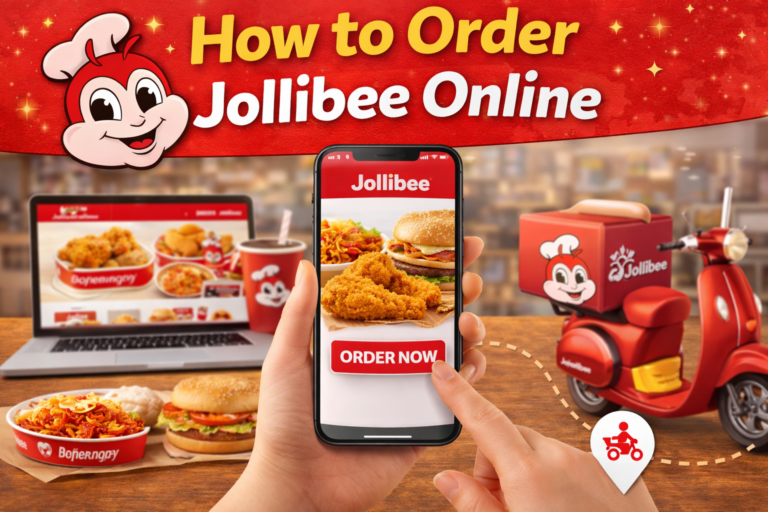
A: Absolutely! The Palabok Fiesta is available via the Jollibee app, website (order.jollibee.com), #87000 hotline, GrabFood, and Foodpanda. The Family Pan is a particularly popular delivery order for group meals and celebrations. Unlike fries, Palabok holds up well during delivery.
Q: How many people does the Palabok Family Pan serve?
A: The Palabok Fiesta Family Pan (₱270, ~1,400 kcal total) comfortably serves 3–4 adults as a main dish. When paired with other items like Chickenjoy or additional sides, it can stretch to serve 5–6 people.
Q: What makes Jollibee Palabok different from other fast food noodle dishes?
A: Unlike most fast food noodle dishes that use simplified sauces and minimal toppings, Jollibee’s Palabok Fiesta features a genuine shrimp-based sauce made from shrimp stock, traditional toppings including chicharon and boiled egg, and the authentic addition of calamansi. It’s a complete, traditional Filipino dish rather than a fast food approximation — and that’s exactly why it remains one of the most ordered and most respected items on the Jollibee menu.